
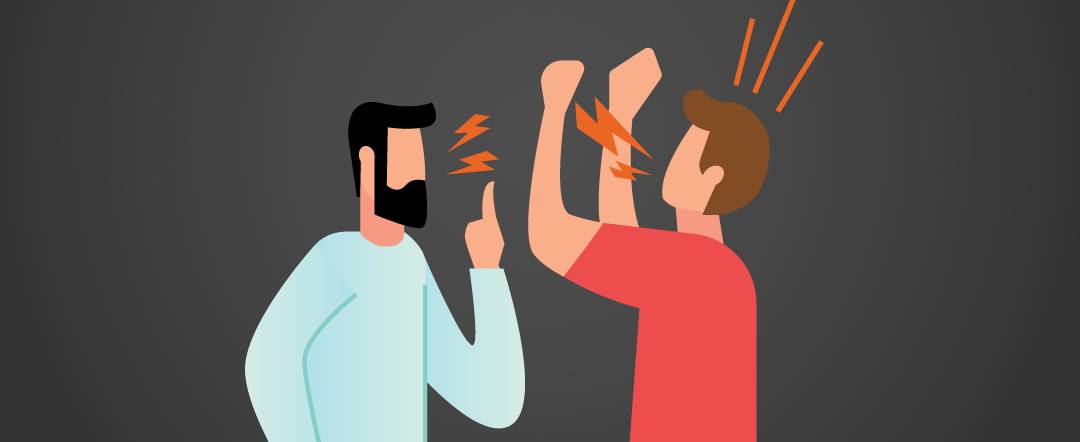
How to Manage Work-Related Stress
Stress is common in high-pressure environments and can arise during particularly demanding working weeks. Follow these tips and do not let stress affect your productivity at work.
Stress affects the mind, body and behaviour. In excess, it can cause serious physical health problems and have an impact on mental health. Symptoms of anxiety, fear and/or anger can be difficult to manage, but there are ways to help control work-related stress.
Ways to Avoid Work-Related Stress
Set realistic goals
Trying to complete too many tasks in a single day can lead to unnecessary stress. Do not underestimate how long things take to complete, and try to do as much as possible within your working hours. Take breaks to increase your productivity and reduce the risk of making mistakes due to distraction or rushing.
Adopt a healthy and balanced diet
Stress is directly linked to what we eat, and when under pressure it is common for the brain to crave salty and/or fatty foods that provide quick and temporary satisfaction. Likewise, it is also normal to eat more during these periods as a form of distraction, but this habit should be avoided.
Replace salty and fatty snacks at work with healthier foods such as vegetables and fruit, which help regulate the body and support concentration and focus.
Drink water regularly
In addition to maintaining a healthy and balanced diet with plenty of fruit and vegetables, it is essential to stay well hydrated. Starting the day by drinking a glass of water can help improve alertness, as well as productivity, memory and cognitive performance.
Avoid excessive coffee and alcohol consumption
Excessive alcohol consumption can harm mental health and brain function in the short, medium and long term, increasing the risk of dementia.
According to scientific studies, the consumption of caffeinated drinks may cause moderate dehydration, which can consequently affect professional performance. This happens because dehydration may increase the risk of irritability.
Exercise regularly
Combining a healthy diet with an active lifestyle is one of the keys to achieving balance. Regular physical exercise increases productivity, concentration and energy while also improving mood.
Regular physical activity helps reduce hormones such as cortisol and promotes the release of endorphins, which are responsible for feelings of wellbeing. At the same time, exercise has a direct impact on sleep quality, another pillar of health and a key factor in reducing stress.
Make time during the day for walking, whether on your way to work, during your lunch break or on your way home.