
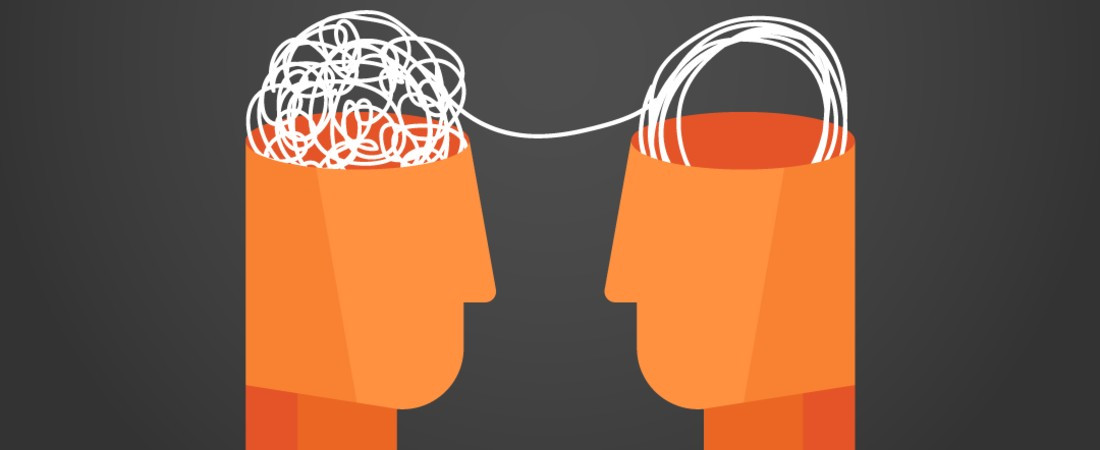
Emotional intelligence, defined as the ability to identify and effectively manage our emotions, is very important in our lives. Several studies suggest that this ability begins to develop in childhood, although there are ways to improve it throughout life.
The uncertainties brought about by the Covid-19 pandemic challenged many people to deal with feelings they had never faced before — or that became more intense during this period. We know that everyone reacts differently to adversity, but some people are better able to manage their emotions.
In the workplace, particularly in light of changes such as the introduction of remote work, some people adapted quickly to the change, while others had greater difficulty adjusting to the new reality.
Recognising, identifying and learning how to deal with our emotions, from sadness to happiness, is very important if we are to ensure both our wellbeing and the level of productivity required of us.
Although emotional intelligence can be encouraged from childhood, for example by asking children to explain what they are feeling, the truth is that our ability to manage emotions can be improved throughout life, depending on what we learn and experience. As we encounter different situations, we also develop our own tools for dealing with the challenges of everyday life.
Amália Carvalho, founder and creator of the emotional intelligence podcast Bela Questão, offers three practical examples of how we can train our emotional intelligence and learn to deal more effectively with the difficulties we encounter:
Seek knowledge
As the old saying goes, knowledge takes up no space. Learning about emotions is the first step, and there are countless ways to do so: workshops, books, podcasts and documentaries. Understanding what emotional intelligence is, which emotions exist and how to deal with them internally is the first step towards moving from theory to practice.
Find what calms you
Some people enjoy meditating, painting or exercising — everyone has their own point of balance that helps distract them from more negative feelings and restore their energy and thoughts. It is important to reflect on what works for you so that you can find the right mechanisms to shift your attention away from your most difficult emotions. However, these mechanisms should not be used as an escape from emotions, but rather as a way of dealing with them positively.
Practise gratitude
Every day, make a list of three — or more — things you are grateful for. Keeping your job, being healthy or achieving a major or minor personal accomplishment are just a few examples. The important thing is to focus your energy not on everything that may be going wrong around you, but on trying to recognise the positive aspects of your life. This will help you understand what truly matters to you and enable you to manage your positive emotions more effectively.
We know that managing the fears and uncertainties we face is not always easy. However, self-awareness — understanding yourself and your feelings — is essential for knowing how to act in different situations, whether in your personal or professional life, and whether as an employee or an employer.